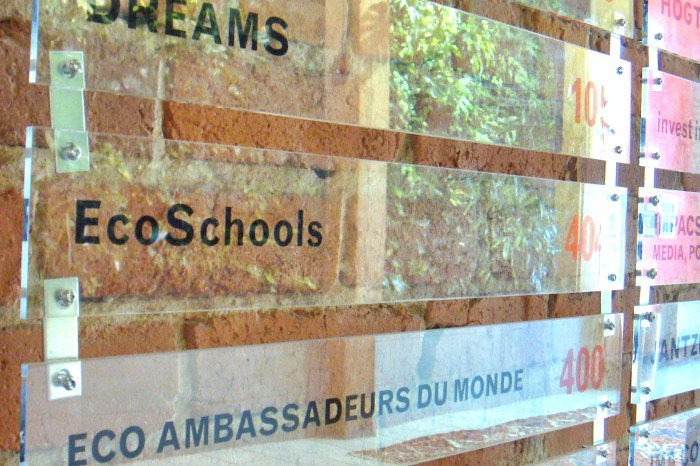
In 2009, I completed an internship with Ontario EcoSchools—a voluntary, environmental certification program for K–12 schools in Ontario. The program provided a structured yet flexible framework for school communities to take action on sustainability through curriculum-linked activities, operational improvements, and student-led initiatives. In 2017, the organization formally became EcoSchools Canada, expanding its reach to school communities nationwide.
My experience with EcoSchools was part of my initial teacher education program at the Ontario Institute for Studies in Education (OISE). After completing two in-school practicum placements, teacher candidates were encouraged to apply for a third placement in an alternative educational setting outside of traditional classroom instruction. With a background in environmental science and a strong personal commitment to sustainability, I sought out an opportunity that would allow me to integrate environmental education into my evolving practice as an educator. I applied to Ontario EcoSchools and was fortunate to be selected to join their team.
During the internship, I contributed to the program’s school certification process, which recognizes and celebrates environmental achievement in six key areas:
- Teamwork and Leadership
- Energy Conservation
- Waste Minimization
- School Ground Greening
- Curriculum
- Environmental Stewardship
My responsibilities included reviewing certification applications submitted by schools, which documented their efforts and accomplishments across these six areas. I assessed how well each school demonstrated meaningful progress, collaboration, and engagement with environmental learning and action. I also conducted site visits to first-time applicant schools across Ontario. These visits were an opportunity to engage with EcoTeams composed of students, educators, and administrators, and to observe sustainability practices in action, from schoolyard gardens to waste-reduction campaigns.
What motivated me most in this role was the alignment between the program’s mission and my own values. Having previously worked as an environmental scientist, I had seen firsthand the environmental degradation caused by human activity. I had also observed the everyday waste that occurs in many schools—from food waste and packaging to paper and energy—and I believed deeply in the potential of schools to be sites of change. The Ontario EcoSchools program provided a tangible model for how that change could happen, empowering school communities to take collective responsibility for reducing their ecological footprint while embedding sustainability into everyday learning.
Following the completion of my internship, I was contracted by Ontario EcoSchools to engage in a curriculum alignment scoping project, in which I identified points of alignment between the program’s key learning resources and the newly revised Ontario Ministry of Education Secondary Science Curriculum. I also outlined necessary updates and proposed changes to ensure coherence between the EcoSchools program and formal science learning outcomes.
Through this experience, I gained valuable insight into environmental education at the systems level. I developed skills in program evaluation, stakeholder engagement, and evidence-based assessment, while also deepening my appreciation for the importance of student leadership and school-wide collaboration in achieving meaningful environmental outcomes. The experience continues to shape my work today, reaffirming my belief in education as a force for sustainability, equity, and transformative change.


 Alisa Acosta